The Untold Story of a Lost RPG Concept
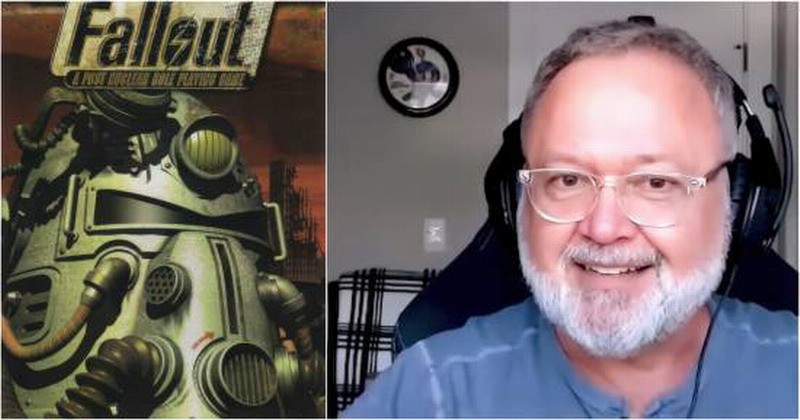
Timothy Cain's YouTube series exploring alternate game development histories has become essential viewing for RPG enthusiasts. In his latest deep dive, the Fallout co-creator reveals his most ambitious unrealized project - "Time Traveler", a first-person RPG developed at Troika Games that pushed the boundaries of interactive storytelling through time manipulation mechanics.
Dynamic Reality Survival System
The game's core mechanic revolved around maintaining the stability of the player's timeline. As a temporal agent, players would navigate 15 distinct historical eras, completing missions that could range from assassinating pharaohs to delivering specific toys to children. Each action would impact the probability of the player's reality existing, creating a gameplay loop where success meant preserving existence while failure resulted in complete unmaking.
Temporal Paradox Design Challenges
Cain's concept introduced a revolutionary approach to RPG progression. Instead of traditional level-up systems, players would gain access to increasingly anachronistic technology as timelines destabilized. This created a unique gameplay paradox - missions became easier with more temporal interference but required careful management of historical integrity. The proposal also included multiple solutions for each mission, reflecting the team's experience with open-ended gameplay in games like Fallout.
Legacy in Modern Game Design
Though never developed, "Time Traveler" shares intriguing similarities with Jason Anderson's current project at InXile Entertainment. The connection between the unrealized 2000s concept and modern time-travel games highlights how game design ideas often resurface in new forms. Cain's discussion of this project provides valuable insight into the creative risks and technical limitations that shaped RPG development during the early 2000s console generation.
The What-If Factor
The unrealized nature of "Time Traveler" invites endless speculation about what could have been. With planned Xbox integration and online multiplayer components, the game would have been a significant technical achievement for its time. Cain's detailed documentation of the project offers a fascinating glimpse into alternate game development history, demonstrating how one decision could have fundamentally changed the trajectory of RPG evolution.